


Hey there! As a supplier of Ultrasonic Local Inspection Instruments, I've seen firsthand how these nifty devices play a crucial role in various industries. They're used for all sorts of inspections, from checking the integrity of materials to detecting flaws in structures. But one question that often comes up is, "What factors affect the lifespan of an Ultrasonic Local Inspection Instrument?" Well, let's dive right in and explore this topic.
1. Quality of Components
The components that make up an Ultrasonic Local Inspection Instrument are like the building blocks of a house. If you use high - quality materials, your house is going to last longer, and the same goes for these instruments. For instance, the transducer, which is a key part of the instrument, needs to be made from top - notch materials. A high - quality transducer can withstand more wear and tear over time. Cheaper transducers might start to degrade faster, leading to inaccurate readings and a shorter lifespan for the whole instrument.
When we manufacture our instruments, we always source the best components. We know that using sub - standard parts would only lead to more problems down the road. It's like buying a cheap pair of shoes; they might look okay at first, but they'll fall apart quickly. So, if you're in the market for an Ultrasonic Local Inspection Instrument, make sure to ask about the quality of the components.
2. Operating Environment
The environment in which the instrument is used can have a huge impact on its lifespan. If it's used in a harsh environment, like a factory with a lot of dust, high humidity, or extreme temperatures, it's going to face more challenges.
Dust can get into the internal parts of the instrument and cause damage. For example, it can clog up the ventilation holes, which are important for keeping the instrument cool. When the instrument can't cool properly, the internal components can overheat, leading to premature failure.
High humidity is another culprit. Moisture can cause corrosion on the metal parts of the instrument. This corrosion can weaken the structure and also affect the electrical connections. If you're using the instrument in a humid environment, you might want to consider using a protective case or a dehumidifier in the storage area.
Extreme temperatures are also a problem. If it's too hot, the components can expand and contract, which can lead to cracks and other damage. On the other hand, if it's too cold, the materials can become brittle. That's why we always recommend that our customers follow the recommended operating temperature range for our instruments.
3. Usage Frequency and Intensity
How often and how hard you use the Ultrasonic Local Inspection Instrument matters a lot. If you're using it constantly, day in and day out, it's going to wear out faster than if you only use it occasionally.
For example, if you're using the instrument for long - term continuous inspections, the internal components are going to be under a lot of stress. The battery, if it's a portable instrument, will also wear out faster. You might need to replace the battery more often, and eventually, other parts of the instrument might start to fail.
On the other hand, if you use the instrument sparingly, it's going to last longer. It's like a car; if you drive it hard every day, it's going to need more maintenance and will have a shorter lifespan compared to a car that's only driven on weekends.
4. Maintenance and Calibration
Regular maintenance and calibration are essential for extending the lifespan of an Ultrasonic Local Inspection Instrument. Just like you take your car for regular servicing, you need to do the same for your instrument.
Maintenance includes things like cleaning the instrument, checking for loose parts, and replacing any worn - out components. Cleaning the instrument helps to remove dust and dirt that could cause damage. Checking for loose parts ensures that everything is secure and working properly.
Calibration is also crucial. An instrument that is not calibrated correctly can give inaccurate readings. Over time, the internal components can drift out of calibration, especially if the instrument is used frequently. By calibrating the instrument regularly, you can ensure that it's giving accurate results and also catch any potential problems early.
We always provide our customers with a maintenance schedule and calibration guidelines. We want to make sure that our instruments are in the best possible condition for as long as possible.

5. Handling and Storage
How you handle and store the instrument can also affect its lifespan. If you're rough with it, dropping it or banging it around, it's going to get damaged. The internal components are delicate, and a single drop can cause a lot of problems.
When storing the instrument, make sure it's in a safe place. Avoid leaving it in direct sunlight or in a place where it can be knocked over. If you're not going to use the instrument for a long time, make sure to store it properly. For example, if it has a battery, remove it and store it separately.
Related Products
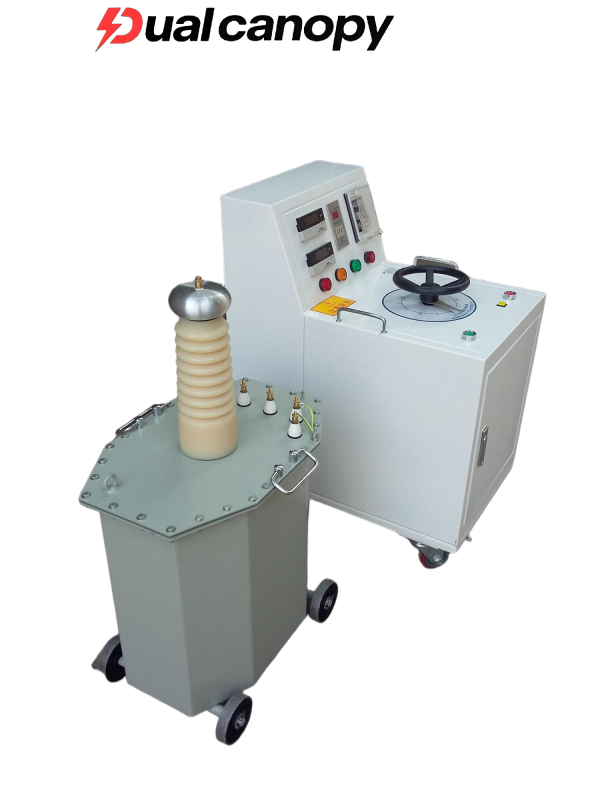
If you're interested in other testing equipment, we also offer some great products. Check out our On - load tap - changer tester handheld. It's a handy device for testing power transformers. We also have the Ultra - low Frequency AC hipot tester, which is useful for high - voltage testing. And don't forget about our Oil Type Testing Transformer, which is great for oil testing.
Conclusion
So, there you have it! The lifespan of an Ultrasonic Local Inspection Instrument is affected by several factors, including the quality of components, the operating environment, usage frequency and intensity, maintenance and calibration, and handling and storage. By taking good care of your instrument and being aware of these factors, you can ensure that it lasts as long as possible.
If you're interested in purchasing an Ultrasonic Local Inspection Instrument or any of our other products, we'd love to talk to you. Contact us to start a procurement discussion and find the right equipment for your needs.
References
- "Instrumentation and Control Systems" by Ronald W. Fox
- "Handbook of Nondestructive Evaluation" by Paul C. Pao


