


In the realm of power distribution, energy - saving oil - immersed transformers play a pivotal role. As a dedicated supplier of these transformers, I've witnessed their significance in ensuring efficient and reliable power supply. However, a crucial aspect that often gets overlooked is the end - of - life recycling of these transformers. This blog post aims to shed light on how to recycle energy - saving oil - immersed transformers at the end of their life, a process that is not only environmentally responsible but also economically viable.
Understanding the Lifecycle of Energy - Saving Oil - Immersed Transformers
Before delving into the recycling process, it's essential to understand the lifecycle of energy - saving oil - immersed transformers. These transformers are designed to operate for a long time, typically 20 - 30 years. During this period, they are subjected to various electrical and thermal stresses, which gradually degrade their performance. Once they reach the end of their useful life, they need to be replaced to maintain the efficiency and safety of the power grid.
The lifespan of a transformer can be affected by several factors, including the quality of the manufacturing materials, the operating conditions, and the maintenance practices. For instance, transformers operating in harsh environments with high temperatures or high humidity are likely to have a shorter lifespan. Regular maintenance, such as oil testing and insulation resistance measurement, can help extend the lifespan of a transformer, but eventually, it will need to be retired.
The Importance of Recycling
Recycling energy - saving oil - immersed transformers is of utmost importance for several reasons. Firstly, it helps to conserve natural resources. Transformers contain valuable materials such as copper, steel, and insulating oil. By recycling these materials, we can reduce the need for mining and extraction of new raw materials, which in turn helps to preserve the environment.
Secondly, recycling reduces the environmental impact associated with the disposal of end - of - life transformers. Improper disposal of transformers can lead to soil and water contamination, especially if the insulating oil contains harmful substances such as polychlorinated biphenyls (PCBs). Recycling ensures that these hazardous materials are properly managed and disposed of, minimizing the risk of environmental pollution.
Finally, recycling can also be economically beneficial. The recovered materials can be sold or reused in the manufacturing of new transformers or other electrical equipment, generating revenue and reducing the overall cost of production.
The Recycling Process
The recycling process of energy - saving oil - immersed transformers typically involves several steps:
1. De - energization and Isolation
The first step in the recycling process is to de - energize and isolate the transformer from the power grid. This is a critical safety measure to prevent any electrical accidents during the recycling process. A qualified electrician should be responsible for this task, ensuring that all power sources are disconnected and the transformer is properly grounded.
2. Oil Removal
The next step is to remove the insulating oil from the transformer. The oil can be contaminated with various substances, such as moisture, dirt, and dissolved gases. Before recycling, the oil needs to be tested to determine its quality and the presence of any hazardous substances. If the oil is in good condition, it can be re - refined and reused. However, if it is contaminated with PCBs or other harmful substances, it needs to be treated or disposed of according to the relevant environmental regulations.
3. Dismantling
After the oil has been removed, the transformer is dismantled. This involves removing the outer casing, the core, and the windings. Specialized tools and equipment are used to ensure the safe and efficient dismantling of the transformer. The copper windings are carefully separated from the steel core, as they are valuable materials that can be recycled.
4. Material Separation and Recycling
Once the transformer has been dismantled, the different materials are separated and recycled. The copper windings can be melted down and reused in the production of new copper products. The steel core can also be recycled and used in the manufacturing of new steel products. The insulating materials, such as paper and cardboard, can be recycled or disposed of in an environmentally friendly manner.
5. Quality Control
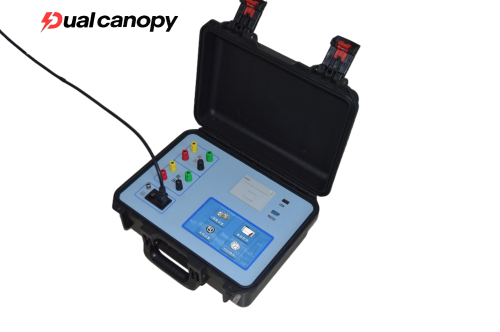
Throughout the recycling process, quality control measures are implemented to ensure that the recycled materials meet the required standards. For example, the recycled copper should have a certain purity level, and the recycled steel should have the appropriate mechanical properties. Testing equipment such as the 10A Type Transformer Ratio, Colorimeter Tester, and Transformer Analyzer can be used to verify the quality of the recycled materials.

Challenges in Recycling
Despite the many benefits of recycling energy - saving oil - immersed transformers, there are also several challenges that need to be addressed. One of the main challenges is the presence of hazardous substances, such as PCBs, in the insulating oil. PCBs are highly toxic and persistent organic pollutants that can cause serious health and environmental problems. Removing and disposing of PCBs safely requires specialized equipment and expertise, which can be costly.
Another challenge is the lack of awareness and infrastructure for transformer recycling. Many countries and regions do not have well - established recycling facilities or regulations for the recycling of end - of - life transformers. This makes it difficult for transformer owners and recyclers to comply with the environmental requirements and ensures that the recycling process is carried out in a safe and efficient manner.
Solutions to the Challenges
To overcome the challenges in recycling energy - saving oil - immersed transformers, several solutions can be implemented:
1. Research and Development
Investing in research and development can help to develop new technologies and methods for the safe and efficient recycling of transformers. For example, new techniques for the removal and treatment of PCBs in insulating oil can be developed, reducing the environmental impact and the cost of recycling.
2. Education and Training
Educating transformer owners, recyclers, and the general public about the importance of recycling and the proper recycling methods is crucial. Training programs can be provided to recyclers to ensure that they have the necessary skills and knowledge to carry out the recycling process safely and efficiently.
3. Policy and Regulation
Governments should implement policies and regulations to encourage and regulate the recycling of end - of - life transformers. This can include providing financial incentives, such as tax breaks or subsidies, for recycling activities, and setting strict environmental standards for the disposal of hazardous materials.
Conclusion
Recycling energy - saving oil - immersed transformers at the end of their life is a complex but necessary process. As a supplier of these transformers, I am committed to promoting sustainable practices in the industry. By understanding the lifecycle of transformers, the importance of recycling, and the recycling process, we can ensure that these valuable assets are managed in an environmentally responsible and economically viable manner.
If you are interested in purchasing energy - saving oil - immersed transformers or have any questions about our products and services, please feel free to contact us for procurement and negotiation. We look forward to working with you to meet your power distribution needs.
References
- International Electrotechnical Commission (IEC). IEC 60076 series - Power transformers.
- Environmental Protection Agency (EPA). Regulations on the management of hazardous waste from electrical equipment.
- Institute of Electrical and Electronics Engineers (IEEE). Standards for the testing and recycling of electrical transformers.


