

The dielectric strength tester for insulating oil is a device specifically designed to measure the electrical strength of liquid insulating media such as transformer oil and cable oil. The test results are crucial for evaluating the insulation performance of the oil. Here is the detailed operation method and precautions:
Preparation before testing
1. Environmental and equipment inspection
Environmental conditions: Temperature: 15~35℃, relative humidity ≤ 75%. Avoid strong electromagnetic interference, vibration, and direct sunlight.
Equipment inspection: Confirm that the instrument is reliably grounded, and the power supply voltage is stable (AC 220V ± 10%). Check that the electrode cup (usually made of brass or stainless steel) is clean, without scratches, and the spacing meets the standard (such as IEC 60156, which stipulates a spacing of 2.5mm ± 0.05mm). The oil cup should be cleaned with anhydrous ethanol or petroleum ether and dried to ensure no residual impurities.
2. Sample processing
Sampling: Use a dry and clean glass bottle or a dedicated oil sample bottle to avoid contamination. Before sampling, let the oil sample stand for at least 8 hours (if the oil contains bubbles, extend to 24 hours).
Oil injection: Slowly inject the oil sample into the electrode cup to the scale line, avoiding the generation of bubbles (you can tilt the cup for injection or gently tap the cup wall to eliminate bubbles).
Insulating oil dielectric strength tester
Detailed operation steps
1. Instrument startup and parameter setting
Turn on the power supply, open the instrument switch, and preheat for 5~10 minutes.
Select the test standard (such as IEC 60156, GB/T 507, etc.) and test mode (automatic/manual voltage rise).
Set the voltage rise rate (usually 2kV/s or 3kV/s), initial voltage (0kV), and termination voltage (such as 80kV, adjusted according to the type of oil).
2. Test execution
Install the electrode cup:
Place the oil-injected electrode cup into the test chamber of the instrument, ensuring good contact between the electrode and the high-voltage end.
Start the test:
Press the test button, and the instrument automatically rises the voltage until the oil sample breaks down (a sudden change in current or a sudden drop in voltage occurs).
Record the breakdown voltage value (kV), and the instrument may automatically calculate the average value (usually repeat 6 tests and take the average of the last 5 times).
Repeat the test:
After each breakdown, use a glass rod to slightly stir the oil sample (to eliminate carbon deposits), and let it stand for 1~2 minutes before conducting the next test.
Replace the new oil sample or clean the electrode cup (if the oil sample is significantly carbonized).
3. Test completion
Turn off the power supply, remove the electrode cup, pour out the oil sample, and clean the electrode.
Record all test data, including environmental temperature and humidity, breakdown voltage, test date, etc. Notes for Attention
Safe operation
High voltage danger: Do not touch the electrode cup or high-voltage components during the test. Insulating gloves must be worn during operation. Discharge (through the instrument discharge button or an external discharge rod) is required after the test is completed.
Fire prevention measures: Oil samples and cleaning agents (such as petroleum ether) are flammable. No open flames are allowed in the test area.
2. Data accuracy control
Avoid bubble interference: After injecting oil, let it stand for 1 to 2 minutes and confirm there are no bubbles before testing.
Electrode maintenance:
Regularly sand the surface of the electrode with fine sandpaper (such as 800 mesh) to keep it smooth.
If the electrode wears out and causes a deviation in the spacing (> ± 0.05mm), the electrode cup needs to be replaced.
Oil sample contamination:
It is not recommended to repeat the test on the same oil sample more than 6 times to avoid reducing the dielectric strength due to carbonized particles.
3. Instrument maintenance
Regular calibration (suggested once a year) and check the accuracy of high-voltage output.
When not in use for a long time, the electrode cup should be dried and stored to avoid oxidation.
Insulating Oil Dielectric Strength Testing Instrument On-site Operation Method
Popular Products

Open Flash Point Tester
Product Introduction Features: Fully automatic flash point tester, with touch screen instead of keyboard operation.

Capacitance Test
Products Description This 50kVA single phase pole mounted transformer is exported to Canada inJuly,2024.The rated

TTR Transformer Turns Ratio Tester
Products Description The ZS6810A / ZS6810E transformer ratio tester is mainly used for measuring the turns ratio or

Single-phase relay protection tester
The single-phase relay protection tester is a new type of intelligent test instrument, primarily used to calibrate

Sweep Frequency Response Analysers
Products Description Overview The Transformer winding deformation tester transformer winding deformation tester is used
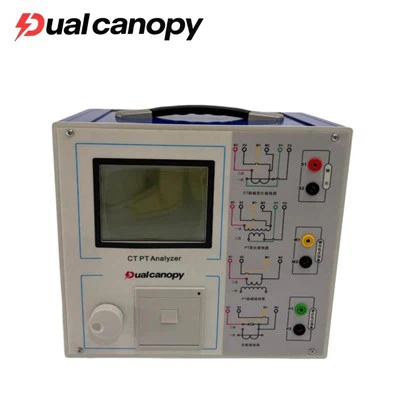
CT PT Excitation Characteristic Analyzer
Products Description The transformer comprehensive measuring instrument is an electronic device used for on-site